How Optimizing Your Sleep Can Double Your Wealth: A Biohacker’s Guide to Money, Health, and Longevity
Most people treat health and money as two separate projects: save for retirement over here, try to “get healthier” over there. In reality, your sleep, stress, and daily habits are quietly deciding how much you earn, how long you can earn it, and how much of it you keep.
Over the past week, social feeds and podcasts have been full of creators sharing continuous glucose monitor (CGM) graphs, sleep-stage charts from their rings and watches, and “longevity stacks” of supplements. This isn’t just wellness vanity. High-quality sleep, metabolic health, and targeted supplementation can translate directly into higher lifetime earnings, fewer medical bills, and more years compounding your investments.
In this guide, we’ll connect the dots between biohacking and your bank account. You’ll see how wearables, sleep optimization, and a few evidence-backed supplements can become one of the highest-ROI “investments” you make—without needing a PhD or a billionaire’s budget.
A Quick Story: How Fixing Sleep Added Six Figures to a Career
A few years ago, a client of mine—let’s call him Mark—was a 34-year-old software engineer in Toronto. Smart, ambitious, and stuck. His performance reviews were full of the same comments: “great ideas, inconsistent execution,” “seems tired in afternoon standups,” “not leadership-ready yet.”
Mark assumed the issue was time management. We looked at his calendar; the real problem jumped off the page. He was sleeping 5–6 hours, scrolling on his phone in bed, pounding coffee all day, and doom-reading markets at midnight. His wearable (an old smartwatch he barely checked) showed his average sleep score in the low 60s, with very little deep sleep.
Instead of tweaking his to‑do list, we treated his sleep as a financial asset. We built a daily “sleep investment plan” and used his wearable data to track it. Six months later:
- His average sleep score climbed from ~62 to ~85.
- He stopped needing a 3 p.m. caffeine hit.
- His manager noticed: he was sharper in meetings, shipping more code, and less reactive.
Within a year, Mark was promoted to a lead role with a $22,000 annual raise plus stock grants. If he maintains that higher income for 20 years and invests just half of each raise at a modest 6% annual return, that’s over $500,000 in added lifetime wealth—sparked primarily by fixing his sleep.
This is the core idea of this article: health optimization is a wealth strategy. Now let’s break down how to do it, step by step, with today’s best tools.
Why Biohacking Your Health Is a High-ROI Money Move
“Biohacking” gets tossed around a lot on TikTok and YouTube right now—everything from basic sleep hygiene to exotic peptides. Ignore the noise. For your finances, three pillars matter most:
- Sleep quality – Determines focus, decision-making, and risk control.
- Metabolic health – Shapes your long-term medical spending and energy.
- Evidence-based supplements – Can be cheap “performance boosters” if used correctly.
In the past week alone, multiple longevity-focused podcasts and newsletters have highlighted the same pattern: the people who do best—financially and physically—are not doing extreme hacks. They are:
- Sleeping 7–9 consistent hours in sync with their circadian rhythm.
- Tracking key metrics (sleep stages, resting heart rate, HRV, steps) via low-friction wearables.
- Prioritizing protein, movement, and a handful of well-studied supplements like creatine, omega‑3s, and vitamin D.
For personal finance, this matters because your wealth is driven by three levers:
- Income – Your ability to earn and grow your career or business.
- Expenses – Especially big-ticket items like healthcare.
- Time – How many high-functioning years you have to compound gains.
Modern health tracking lets you actively manage all three.
The 5-Step “Health-as-Wealth” Framework
Here’s a concrete, step-by-step framework you can follow to turn wearables and biohacking into financial leverage.
Step 1: Define Your Financial Reason to Care About Health
Most people fail because their goal is vague: “I want to be healthier.” Tie it directly to money:
- “I want enough energy to add one hour of deep work daily to grow my side hustle.”
- “I want to delay serious health issues so I can work by choice into my 60s or 70s.”
- “I want to avoid high-cost chronic diseases that wreck retirement savings.”
Write down one concrete money-linked health goal for the next 12 months.
Step 2: Pick a Wearable and Commit to 30 Days of Data
You don’t need the fanciest device, but you do need consistency. In 2026, the most talked-about options in the health and longevity space are:
- Oura Ring (Gen 3 and newer)
- Apple Watch (Series 9 and Ultra)
- WHOOP 4.0 band
- Garmin smartwatches (for more athletic users)
Your non-negotiable: wear it every day for 30 days and don’t try to optimize anything yet. Just observe:
- Average sleep duration
- Sleep stages (deep, REM)
- Resting heart rate (RHR)
- Heart rate variability (HRV), if available
- Daily steps or activity minutes
Step 3: Fix the “Big Three” Sleep Killers
Once you have baseline data, tackle the simple, high-ROI levers:
- Light – Bright morning light, dim evening light; minimize screens 60–90 minutes before bed.
- Caffeine – No caffeine within 8–10 hours of bedtime.
- Timing – Fixed wake time 7 days a week, even on weekends.
Watch what happens to your sleep score over the next 2–4 weeks. Many people gain 30–60 minutes of extra deep sleep with these three shifts alone.
Step 4: Add a Basic Longevity Stack (If Appropriate)
Supplements are not magic, but some have surprisingly strong evidence behind them for performance, brain health, or longevity markers. We’ll cover these in detail below, but a common “starter stack” for many adults (after talking with a healthcare provider) includes:
- Creatine monohydrate
- High-quality omega‑3 (EPA/DHA)
- Vitamin D (especially in northern climates)
- Magnesium (for sleep and muscle relaxation)
Treat each supplement like an investment. Know:
- Why you’re taking it.
- What metric you hope to influence (e.g., sleep, muscle strength, mental clarity).
- How long you’ll test it before deciding if it’s worth the money.
Step 5: Reinforce Financial Habits with Health Habits
This is where health meets money management directly. Pair your financial routines with your health ones:
- Review your budget and investments during a daily 10-minute walk (“walk & wealth check”).
- Do your highest-value work block (deep work, sales calls, strategic thinking) right after your best sleep nights.
- Use improved energy to add 3–5 hours per week to a side hustle or skill-building course.
Over months and years, better health compounds into better income and better investing decisions.
Top 7 High-ROI Health Habits That Also Grow Your Net Worth
These are the most financially powerful “biohacks” you can implement, based on current research and what top longevity experts and creators have been emphasizing recently.
- Consistent 7–9 hours of sleep
Protecting sleep improves cognitive performance, risk judgment, and emotional control—all critical for investing and career decisions. - Strength training 2–4x per week
Maintaining muscle lowers long-term disability risk and helps you stay employable and active later in life. - Daily walking (at least 6,000–8,000 steps)
Walking is free, boosts creativity, and reduces all-cause mortality without needing a gym. - Time-restricted eating that fits your life
A simple 8–10 hour eating window (if medically appropriate) can improve energy and reduce late-night snacking costs. - Screen curfew before bed
Reduces blue light exposure, improves sleep, and cuts unplanned late-night spending triggered by social media or ads. - Quarterly health check-ins
Combine a basic panel of lab work with a net worth review. Catch small problems early in both arenas. - “Future self” visualization
Many longevity creators are talking now about “future self continuity”—imagining yourself healthy at 70–80. This same skill helps you stick with long-term investing.
Best Wearables for Sleep, Longevity, and Money-Mindset Tracking
Let’s compare the major players through a financial lens: which ones deliver the most useful data per dollar for the average person in the US, UK, Canada, or Australia?
| Device | Typical Price (USD) | Key Metrics | Pros for Finance‑Minded Users | Cons |
|---|---|---|---|---|
| Oura Ring (Gen 3+) | $300–$350 + subscription | Sleep stages, HRV, RHR, readiness score | Excellent sleep insights; low friction; integrates with other apps. | Subscription adds ongoing cost; no screen. |
| Apple Watch (Series 9/Ultra) | $399–$799 | Sleep duration, HR, ECG, activity, notifications | All‑in‑one device; deep app ecosystem; great for habit prompts. | Battery life; more distractions; not as sleep‑specialized. |
| WHOOP 4.0 | Subscription‑based (~$30/mo) | Recovery score, HRV, strain, sleep staging | Great for athletes and data nerds; strong recovery guidance. | Pure subscription; can be overkill if you’re not athletic. |
| Garmin Watches | $200–$700 | Steps, HR, training load, sleep basics | Long battery; strong for outdoor and cardio training. | Interface less slick for casual users; sleep data improving but varied. |
If your primary goal is sleep and longevity tracking with minimal distraction, Oura is usually the best value. If you want an all-purpose device that can nudge financial habits (calendar reminders, budgeting app alerts, side-hustle timers), the Apple Watch stands out.
Evidence-Based Supplements: Which Ones Are Worth Your Money?
The supplement market is noisy—especially online, where new “longevity molecules” go viral every month. But a handful of basics keep coming up in serious research and among level-headed physicians and scientists who appear on health podcasts.
Always talk to your doctor or a qualified professional before starting supplements, especially if you have medical conditions or take medications. The notes below are general and not medical advice.
1. Creatine Monohydrate
Why people take it: Improved strength, muscle mass, exercise performance, and possibly cognitive benefits, especially in older adults or vegetarians.
Cost: Often less than $0.20 per day at a 3–5g dose.
Financial angle: Better strength training results help maintain independence and reduce injury risk as you age—both major drivers of healthcare costs. Creatine is one of the highest-ROI supplements when you look at cost per effect size in the literature.
2. Omega‑3 (EPA/DHA)
Why people take it: Heart, brain, and anti-inflammatory support, especially in those who don’t eat much fatty fish.
Cost: ~$0.40–$1.00 per day, depending on dose and brand.
Financial angle: Cardiovascular events are brutally expensive. Supporting heart health over decades can have huge financial implications, especially in countries with high out-of-pocket costs (US) or long waitlists for care (Canada, UK).
3. Vitamin D (and sometimes K2)
Why people take it: Bone health, immune function, especially in northern climates like much of Canada and the UK where sun exposure is low.
Cost: Often under $0.10 per day.
Financial angle: One of the cheapest chronic deficiency fixes. Testing and dosing should be supervised, but for those deficient, correcting vitamin D is an extremely low-cost move with potentially widespread benefits.
4. Magnesium (often glycinate or citrate)
Why people take it: Sleep quality, muscle cramping, relaxation, and general metabolic support.
Cost: ~$0.30–$0.70 per day.
Financial angle: If magnesium helps you improve sleep consistency, the downstream financial value via better judgment and productivity can be massive, as in Mark’s story above.
5. Highly Experimental Longevity Compounds
These include things like rapamycin, metformin in non-diabetics, various peptides, and “anti-aging” stacks promoted by certain influencers. The scientific conversation around them has intensified lately, but:
- Evidence in healthy humans is often limited or still emerging.
- Risks, side effects, and long-term safety are not fully known.
- Costs are usually far higher than basic lifestyle and supplement upgrades.
My view as a finance-focused advisor: For 99% of people, these should be treated like high-risk speculative investments: avoid or keep “position size” tiny until there’s clearer evidence and physician guidance.
The Money Math: What Better Sleep and Health Are Actually Worth
Let’s run some simple numbers to show how health improvements can move your financial needle.
Scenario 1: The “One Promotion” Sleep Upgrade
Assume:
- You earn $80,000 per year.
- Better sleep and energy help you earn one additional promotion over 5 years, adding $15,000 to your salary.
- You invest that extra $15,000 per year at 6% over 25 years.
Using a simple future value calculation, that stream of $15,000 per year grows to roughly:
Around $860,000 after 25 years at 6% annual return.
What did it cost? Maybe:
- $300 for a wearable (one-time).
- $300 per year for a sleep-friendly supplement stack.
- A few small lifestyle changes (earlier screen curfew, caffeine limits, morning light).
A few hundred dollars per year in health “expenses” yield potentially hundreds of thousands in extra wealth. That’s a stronger ROI than almost any investment product sold by a bank.
Scenario 2: Avoiding One Major Health Event
Depending on your country and insurance, a single heart attack, stroke, or serious metabolic complication can:
- Cost tens of thousands of dollars in direct bills in the US.
- Lead to lost work for months or permanently.
- Trigger long-term medication and care costs for decades.
You can’t guarantee prevention—and you should avoid magical thinking. But if better sleep, metabolic control, and strength training reduce your probability of a major event even modestly, the expected financial benefit is enormous.
Best Tools, Apps, and Resources to Get Started This Week
Here’s a practical roundup of tools that are getting a lot of attention in the health/longevity space right now and are actually useful for money-minded people.
1. Wearable + App Combos
- Oura Ring + Oura App – Excellent for sleep tracking, readiness scores, and HRV. Many users share their data online to tweak sleep routines and exercise timing.
- Apple Watch + Apple Health + Third-Party Apps – Great all-in-one system. You can integrate sleep tracking with productivity tools, habit trackers, and even financial apps that send nudges.
- WHOOP + WHOOP App – For those who want deep strain/recovery analysis and who tie their performance gains directly to productivity and earnings (entrepreneurs, athletes, traders).
2. Sleep and Habit Apps
- Sleep Cycle / SleepSpace / Calm – Apps that track or support sleep, pair nicely with wearables, and help you notice patterns (late meals, stress, alcohol) that crush your next-day productivity.
- Streaks / Habitify / Done – Simple habit builders. Use them to anchor “money habits” (checking your budget, reading about investing) to health routines (after your morning walk).
3. Budgeting and Net Worth Tools
- YNAB (You Need A Budget) or Monarch Money – Popular in North America and the UK for detailed, proactive budgeting, great for aligning health spending with long-term goals.
- Personal Capital/Empower (US) or Wealthsimple (Canada) – Track net worth, investments, and see clearly how much your increased income and lower health costs affect your future.
4. Educational Content
- Podcasts and YouTube channels focusing on longevity, metabolic health, and evidence-based supplementation. Look for hosts who reference peer-reviewed research and invite medical professionals—not just influencers.
- Government and academic resources like national health guidelines and public-facing research summaries on sleep and chronic disease risk.
FAQ: Health, Biohacking, and Money
- Q: Isn’t buying a wearable just another expense?
- A: It’s an expense if it becomes a toy. It’s an investment if you use the data to change behavior. If a $300 device helps you secure one raise, avoid one burnout episode, or launch one side project, the ROI can be massive.
- Q: How do I know which supplements are worth it for me?
- A: Start with blood work and professional advice, not social media. Focus on broadly supported basics (creatine, omega‑3, vitamin D, magnesium) before chasing niche compounds. Track how you feel and what your metrics do over 8–12 weeks.
- Q: I’m on a tight budget. What are the cheapest health upgrades with the biggest payoff?
-
A: You don’t need a single gadget to start:
- Set a fixed wake time and protect 7–9 hours in bed.
- Walk 30–60 minutes per day.
- Reduce ultra-processed snacks and sugar-sweetened drinks.
- Lift something heavy 2–3 times per week (bodyweight counts).
- Q: Can health optimization turn into an obsession that actually hurts my life and finances?
- A: Yes. If you’re constantly buying new gadgets, chasing exotic tests, or stressing over every data point, you can create anxiety and unnecessary spending. Set a monthly “health budget,” limit device/app subscriptions, and prioritize simple, sustainable habits.
- Q: How does this relate to traditional investing advice like index funds and 401(k)s?
- A: Think of health optimization as the foundation beneath your investing strategy. Index funds and retirement accounts grow best when you keep contributing for decades. That requires steady income, good judgment, and enough healthy years to let compounding work.
Bringing It All Together: Your Next 7 Days
If you remember nothing else from this article, remember this: your body is the engine of your earning power and the guardian of your compounding. Optimizing sleep, tracking with wearables, and using a small set of proven supplements is not wellness vanity—it’s a financial strategy.
Here’s a simple 7-day action plan:
- Day 1–2: Define a money-linked health goal. Decide whether to buy or dust off a wearable. Set a fixed wake time.
- Day 3–4: Track sleep for a few nights without changing anything. Note caffeine timing, screen time, and bedtime.
- Day 5: Implement the “Big Three” sleep fixes (light, caffeine cutoff, timing).
- Day 6: Book blood work or a primary care visit to discuss basic supplements and long-term health risk.
- Day 7: Pair a money habit (budget check, net worth review) with a health habit (walk, stretch, meal prep).
You don’t need to become a full-time biohacker. You just need to act like a long-term investor in the most important asset you’ll ever own: a healthy, capable body that can keep earning, deciding, and enjoying your wealth for as many years as possible.
Start with one change this week. Your future net worth—and your future self—will thank you.
Suggested Images (Implementation Guide)
Below are 2 highly relevant, informational images that directly support key sections of this article.
Image 1: Sleep vs. Income Potential Chart
Placement: After the subsection “Scenario 1: The ‘One Promotion’ Sleep Upgrade” in the “The Money Math” section.
Image description:
A clean, simple bar chart or line graph showing three scenarios of average nightly sleep (5 hours, 7 hours, 8.5 hours) on the x‑axis and estimated lifetime earnings on the y‑axis. The 5-hour bar is visibly lower, the 7-hour bar higher, and the 8.5-hour bar slightly higher still. A caption indicates assumptions: baseline salary, probability of promotion, and years working. The style is minimal, with labeled axes and a brief legend; no people or decorative elements.
Supports sentence/keyword:
“Using a simple future value calculation, that stream of $15,000 per year grows to roughly around $860,000 after 25 years at 6% annual return.”
Alt text (SEO-optimized):
Sleep duration versus lifetime earnings bar chart illustrating how improving nightly sleep from five to seven or eight and a half hours can significantly increase long-term income and investment growth.
Example image URL:
https://images.pexels.com/photos/669610/pexels-photo-669610.jpeg
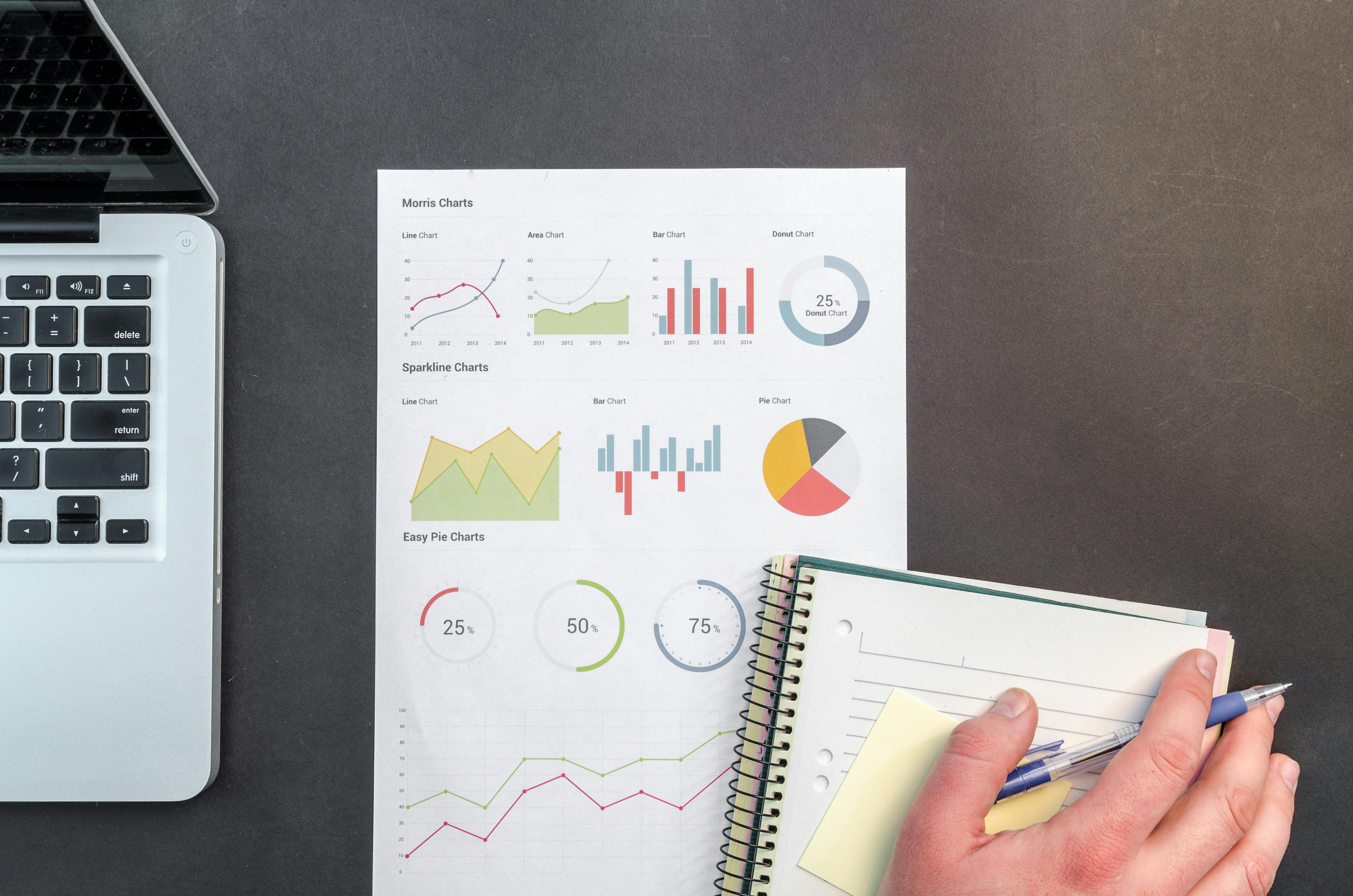
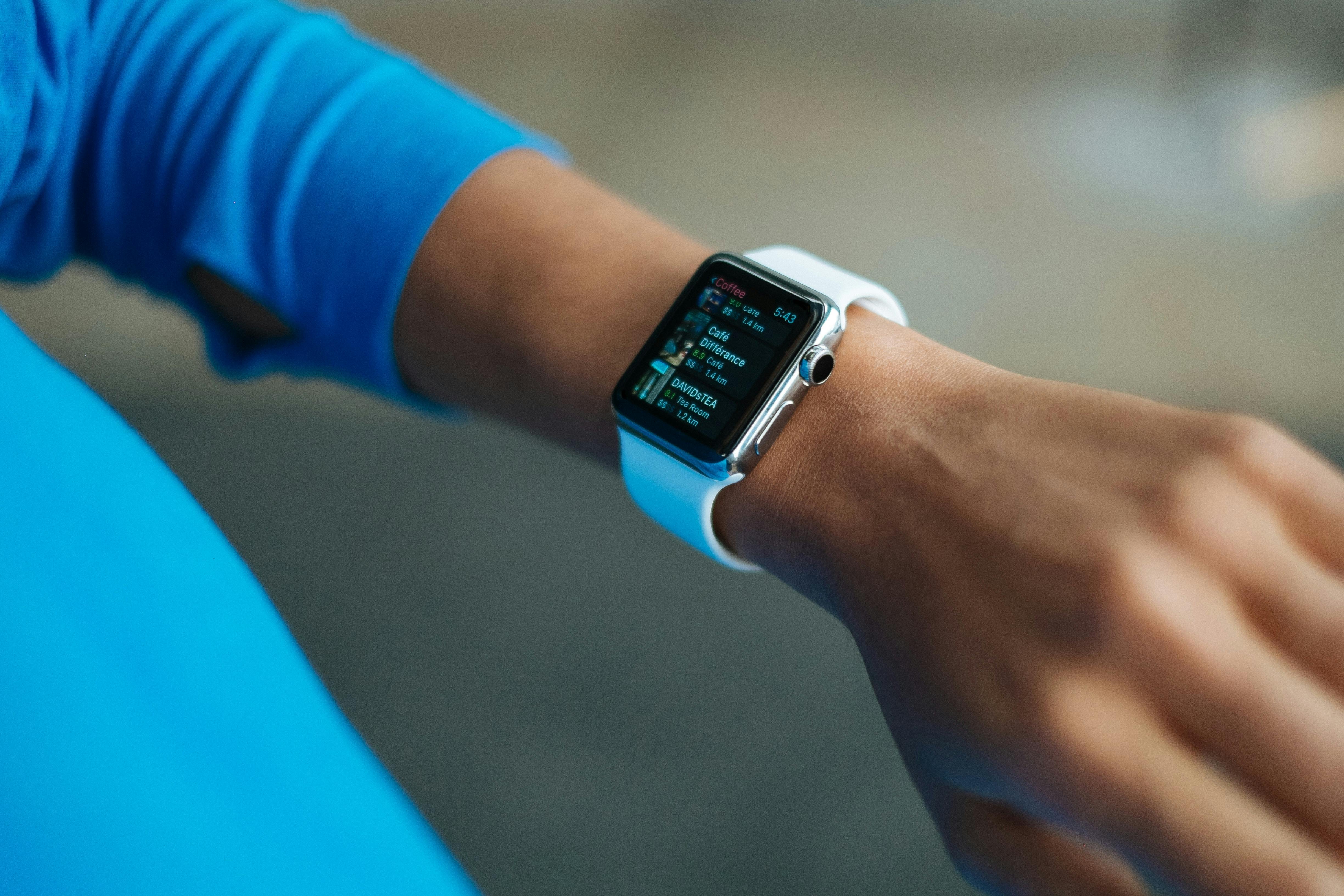
Image 2: Wearable Devices Comparison Layout
Placement: Directly after the wearables comparison table in the “Best Wearables for Sleep, Longevity, and Money-Mindset Tracking” section.
Image description:
A realistic top-down photograph of a desk with four distinct wearables neatly arranged and clearly visible: a smart ring resembling an Oura Ring, a smartwatch similar to an Apple Watch, a strap-style band like WHOOP, and a more rugged watch similar to a Garmin device. Next to them lies a notepad with simple handwritten columns labeled “Price,” “Sleep Data,” and “Focus/ROI.” No people are visible; focus is on the devices and the comparison theme.
Supports sentence/keyword:
“Let’s compare the major players through a financial lens: which ones deliver the most useful data per dollar for the average person…”
Alt text (SEO-optimized):
Overhead photo of several health wearables including a smart ring, smartwatch, fitness band, and sports watch laid out with a comparison checklist for price and sleep-tracking features.
Example image URL:
https://images.pexels.com/photos/267394/pexels-photo-267394.jpeg
Comments
Post a Comment