How to Turn Your Fitness Data Into Dollars: A Step-by-Step Guide to Monetizing Wearables and Health Optimization
More people are tracking sleep, steps, and recovery with wearables, but very few realize that the same data-driven discipline can directly improve their money. Your smartwatch or fitness ring isn’t just a health toy anymore—it’s becoming a financial tool.
In the last year, major insurers in the US, UK, Canada, and Australia have quietly expanded “activity-based” rewards, health savings incentives, and lower-premium programs linked to wearables and health apps. At the same time, interest in health optimization—sleep, recovery, biometrics, personalized training—is exploding on YouTube, TikTok, Reddit, and podcasts. That surge creates a rare overlap: your health habits can now move your net worth.
This article is a deep, practical playbook on how to turn wearable-driven fitness tracking into measurable financial upside—lower healthcare costs, higher earning power, better insurance deals, and even new income streams.
A quick story: how better sleep paid me $3,600
A few years ago, I treated my smartwatch like a glorified step counter. I’d glance at my “10,000 steps” badge, feel vaguely proud, and move on. My sleep? A mess. I was averaging 5–6 hours, glued to my laptop until midnight, and fueling days with coffee.
Then I hit a wall. I was making more mistakes at work, missing small client details, and my evenings were a blur. My wearable started pinging me with low “readiness” and tanking sleep scores week after week. Instead of ignoring it, I decided to treat those metrics the way I treat my investment portfolio: track, analyze, optimize.
Over six months I:
- Moved my caffeine cut-off earlier when my heart rate variability (HRV) dipped
- Pushed bedtime 45 minutes earlier on nights my sleep score was trending down
- Added three 20-minute Zone 2 walks to keep resting heart rate in a healthy range
My average sleep went from ~6.0 hours to ~7.3 hours. The money impact:
- Fewer sick days: +3 extra workdays per year (about $1,200 in billed time)
- Better performance: I landed one additional client renewal I’d likely have lost (~$2,000 profit)
- Fewer impulse food deliveries because I wasn’t exhausted decision-making ($400–500/year saved)
Total: roughly $3,600/year better off, from changing habits I only noticed because of my wearable metrics.
That’s the core idea of this guide: treat your health data like financial data—and then use it to directly move your income, spending, and long-term wealth.
Why health optimization is suddenly a money topic
Health and fitness have always been popular, but in the mid‑2020s the conversation shifted from “get fit” to “optimize your health with data.” Wearables—watches, rings, bands, and connected devices—now track:
- Sleep stages and sleep scores
- Heart rate variability (HRV)
- Resting heart rate (RHR)
- Recovery or readiness scores
- VO2 max estimates and cardio fitness levels
- Stress, breathing rate, and even focus sessions
On YouTube, TikTok, Reddit, and podcasts, creators now do weekly breakdowns of these metrics—experimenting with bedtime routines, tracking HRV changes after alcohol, or testing training blocks using Zone 2 cardio and resistance training. Terms like “HRV,” “sleep score,” “Zone 2 training,” and “VO2 max” have all been climbing in search interest.
Meanwhile, remote and hybrid work keeps burnout, poor sleep, and sedentary living in the spotlight. Wearables step in as a kind of personal performance dashboard, marketed not only for fitness and longevity but also for productivity and mental health.
Where the money comes in:
- Lower health and insurance costs via healthier habits and, increasingly, wearable-linked discounts and rewards.
- Higher earning power because better sleep, recovery, and focus mean more output, fewer mistakes, and less burnout.
- New side hustles and careers in coaching, content, and health-tech that revolve around this data-driven world.
There’s real debate about accuracy and “data anxiety,” but even with imperfect sensors, the financial upside of using your data intelligently is difficult to ignore.
Step-by-step framework: turn your health data into financial gains
Here’s a simple, repeatable framework—think of it as “Personal Finance x Wearables”:
- Audit your current health + money baseline
- From your wearable/app, note: average sleep, HRV (or recovery), resting heart rate, weekly activity minutes, and typical stress levels.
- From your money tools, note: sick days in the last 12 months, out-of-pocket healthcare costs, take-home pay, and productivity blockers (late starts, fatigue, afternoon crashes).
- Pick 1–2 metrics that most affect your workday
- For most knowledge workers: sleep duration/quality and daily movement (steps or active minutes).
- For physically demanding jobs: recovery/readiness and strain/activity balance.
- Attach those metrics to a financial goal
- “If I sleep 7+ hours 5 nights a week, I expect fewer sick days and more deep work hours, worth X/month.”
- “If I hit 8–10k steps daily, I lower my long-term cardiometabolic risk, which should reduce future healthcare costs and medication risk.”
- Use the wearable as a daily decision tool
- When your readiness or HRV is low: dial down training intensity, shorten your to-do list, prioritize deep work, and go to bed 30–60 minutes earlier.
- When your sleep score trends down 3–4 nights: remove late screens and heavy dinners, cut alcohol, move meetings earlier.
- Quantify savings and gains every 90 days
- Track changes in sick days, medical visits, productivity, and side-hustle output.
- Estimate dollar impact and compare to the cost of your wearable and health apps.
Top 7 ways your wearable can directly boost your finances
Think of this as a “Best of” list for turning biometrics into money moves.
- Cut sick days and burnout (and protect your income)
Chronic sleep deprivation and stress are silent income killers. Your device’s sleep and recovery data can:- Flag when you’re sliding toward burnout before you feel it.
- Nudge you to adjust work blocks, caffeine, and training so you can stay consistent.
- Earn or save via insurance and wellness programs
Many insurers and employers now run wellness programs that sync with wearables to offer:- Premium discounts for meeting activity or step targets
- Gift cards or points for completed challenges
- Lower deductibles or contributions to Health Savings Accounts (US)
- Avoid expensive chronic health issues
While your watch isn’t a medical device, consistent red flags—like poor sleep, high resting heart rate, or chronically low activity—are financial warnings. Early lifestyle changes can:- Reduce long-term medication and doctor costs
- Protect your ability to work later in life
- Upgrade productivity for higher pay and promotions
Use your metrics to:- Schedule deep work when your readiness and focus are highest
- Avoid stacking intense workouts right before key workdays
- Align bedtime and wake-up times with your actual recovery data
- Optimize spending on food, caffeine, and “energy crutches”
When you sleep poorly and run on stress, you tend to:- Order more takeout
- Buy more coffee and snacks
- Rely on convenience over planning
- Create a profitable side hustle in the health-optimization space
If you enjoy this stuff, your data can become:- Content: YouTube, TikTok, or blogs sharing experiments, protocols, and device comparisons
- Coaching: helping others interpret their metrics and build routines (with appropriate scope and disclaimers)
- Digital products: templates and tracking sheets for sleep experiments, HRV tracking, or training plans
- Negotiate or plan smarter around remote/hybrid work
If you know your best-focus windows from your data, you can:- Ask for flexible start times
- Cluster high-value meetings when you’re most mentally sharp
- Use movement reminders to prevent afternoon crashes
Best wearables and apps for money-minded health optimization
There’s no one “best” device, but each ecosystem has strengths depending on how you want to link health to your finances.
Quick comparison table
| Device/App | Best for | Key health features | Financial angle |
|---|---|---|---|
| Apple Watch (Series / Ultra) | Apple users who want an all-rounder | Activity rings, heart rate, VO2 max estimate, sleep (recent updates), ECG on some models | Easy integration with employer wellness apps and health-insurance platforms that support Apple Health |
| Oura Ring | Sleep, HRV, and recovery detail | Sleep staging, HRV, readiness scores, temperature trends | Great for preventing burnout and planning high-value workdays around readiness |
| WHOOP | Serious recovery and training optimization | 24/7 HRV, strain, recovery, sleep coaching | Helps you avoid overtraining that could hurt work capacity and income |
| Garmin watches | Runners, cyclists, outdoor athletes | VO2 max, training load, body battery, stress, excellent GPS | Fine-tune training to maintain career performance while chasing athletic goals |
| Fitbit | Affordable all-round tracking | Steps, heart rate, sleep score, stress management | Popular with employer wellness programs; good low-cost entry point |
On the app side, personal finance and habit-tracking tools can bridge your health data with money outcomes:
- Notion / Google Sheets – customizable templates to log weekly health metrics against hours worked, side-hustle output, and spending.
- YNAB, Monarch, or Mint alternatives – budget apps where you can tag expenses influenced by health (takeout, supplements, medical bills) and watch how they change as your metrics improve.
- RescueTime / Screen Time analytics – track focus time and compare to sleep and readiness scores.
Resource roundup: tools to connect your health and money
To go beyond the device itself, these resources and tools can help you interpret your metrics and tie them directly to financial outcomes.
- Wearable analytics dashboards
Many platforms let you export or visualize your data:- Native dashboards in Apple Health, Oura, WHOOP, Fitbit, Garmin
- Third-party services and spreadsheets shared in Reddit communities (e.g., /r/OuraRing, /r/applewatchfitness)
- Productivity and habit apps that sync with wearables
Some task and focus apps let you adjust goals based on sleep or readiness, helping avoid burnout and protect output. - Podcasts and channels focused on health optimization
Many top health and longevity podcasts regularly discuss biometrics, circadian rhythm, strength training, and recovery. Their protocols—bedtime routines, Zone 2 cardio, resistance training schedules—are often the exact habits that protect your long-term earning power. - Reddit and community forums
Health-focused and wearable-specific subreddits are full of real-world experiments: work performance vs. sleep tracking, HRV changes with alcohol, or stress management for remote workers. Use these as informal case studies, but always filter with common sense.
Visual-style breakdown: what’s your health worth per year?
Let’s put rough numbers to a generic “knowledge worker” in the US, UK, Canada, or Australia.
Assumptions:
- Take-home pay: equivalent of $70,000/year
- Rough daily value of your work time: $70,000 ÷ 240 workdays ≈ $290/day
Suppose using your wearable, you:
- Cut sick days by just 2 per year
- Improve productivity enough to add the equivalent of 15 “extra” full productive days per year (not longer hours—just fewer foggy, half-productive days)
- Trim unnecessary food and “energy crutch” expenses by $80/month
| Category | Change | Estimated value |
|---|---|---|
| Fewer sick days | 2 days regained | 2 × $290 = $580 |
| More productive days | 15 “effective” days gained | 15 × $290 = $4,350 |
| Lower food/energy waste | $80/month saved | 12 × $80 = $960 |
| Total annual impact | $5,890 |
Even if the numbers are off by 50%, you’re still looking at roughly $3,000/year. Most wearables and supportive apps cost a fraction of that. The key is using the data deliberately—not just collecting it.
How to build a “Health x Money” dashboard in 30 minutes
Here’s a simple, practical build you can do today using a spreadsheet or Notion page.
- Create a weekly tracking sheet
Columns:- Week starting date
- Average sleep hours
- Average sleep score or readiness
- Average HRV (if available)
- Average steps or active minutes
- Work hours logged / key tasks completed
- Side-hustle hours / revenue (if relevant)
- Food & delivery spending
- Energy level rating (1–10)
- Export or manually log your wearable data
Once a week (e.g., Sunday), copy in your weekly averages from your wearable’s app. - Tag notable events
Add notes each week:- “Big deadline,” “travel week,” “sick,” “tried new bedtime routine,” “cut alcohol,” etc.
- This helps explain weird spikes or dips.
- Look for correlations every month
Ask:When my sleep drops below 6.5 hours, what happens to my work output, side-hustle time, and delivery spending?
Then adjust your habits and calendar around what you find. - Set one financial habit goal tied to one health metric
Examples:- “If my sleep score is below 70, I won’t trade stocks or make big money decisions that day.”
- “If my readiness is high, I’ll tackle my most valuable project first.”
Realistic pros and cons: is health optimization always good for your wallet?
Like any trend, health optimization has its downsides—especially if you’re prone to perfectionism or anxiety.
Pros (money-focused)
- Lower risk of income-killing burnout and chronic illness.
- More consistent performance at work or in your business.
- Opportunity for new income via coaching, content, or consulting.
- Potential insurance and wellness rewards.
Cons (and how to manage them)
- Data anxiety – Becoming stressed when your metrics dip, even if you feel fine.
Fix: Treat your scores like a weather forecast, not a performance review. Look at trends, not single days. - Over-interpreting imperfect data – Consumer-grade sensors aren’t medical devices.
Fix: Use them for direction, not diagnosis. Always consult healthcare professionals for serious concerns. - Overspending on gear and subscriptions – Chasing the latest gadget “for health.”
Fix: Cap your annual health-tech budget, and demand a concrete financial return from each purchase.
FAQ: health optimization, wearables, and your money
- Do I need an expensive wearable to get financial benefits?
- No. You can get a lot of benefit from basic data: consistent step counts, approximate sleep duration, and heart rate. A mid-range smartwatch or fitness band is often enough. The value comes from behavior changes, not premium hardware.
- Is it worth paying a monthly subscription for a health app?
- Treat it like any subscription: compare annual cost vs. clear outcomes. If a $120/year app helps you avoid one burnout episode, negotiate a raise, or protect a few days of billable time, it usually pays for itself. If you’re just checking the app occasionally with no behavior change, cancel it.
- Can wearables help with side hustles specifically?
-
Yes. Your side-hustle window is usually early morning, evenings, or weekends—the times most vulnerable to low energy. Use sleep and readiness data to:
- Schedule side-hustle work in your highest-energy slots
- Guard sleep before and after deep work sessions
- Should I share my health data with insurers or employers?
- Only with informed consent and clear benefit. Some programs offer rewards without giving the company granular data (they may just see “goal met/not met”). Read the terms carefully. If you’re uncomfortable, you can still use the wearable privately and reap the health and productivity benefits.
- What if my wearable data makes me feel worse about myself?
-
That’s more common than people admit. If you notice anxiety or obsessive checking:
- Turn off non-essential notifications
- Check stats once per day or even once per week
- Focus on one metric at a time (e.g., sleep only) and celebrate small improvements
Bringing it all together: your next money move
Your wearable is already tracking the hidden drivers of your income: sleep, recovery, stress, and movement. The opportunity now is to stop treating it as a gadget and start treating it as part of your financial strategy.
Action steps you can take this week:
- Log your last 2–4 weeks of sleep, activity, and readiness alongside your work output and spending.
- Choose one metric to optimize (sleep or daily movement is usually best).
- Set a simple rule that connects that metric to your money decisions—like avoiding major financial moves on low-sleep days.
- Check whether your employer or insurer offers rewards for wearable-linked wellness.
- Revisit your dashboard in 90 days and roughly estimate the financial impact.
You don’t need to become a biohacker. You just need to use the data you already have to protect your most valuable asset: your ability to earn, think clearly, and make good decisions over many years. That’s the quiet engine of real wealth-building.
Suggested images
Below are carefully selected, strictly relevant image suggestions that visually reinforce key parts of this article.
- Placement: After the comparison table in the section “Best wearables and apps for money-minded health optimization.”
Image URL: https://images.pexels.com/photos/4370388/pexels-photo-4370388.jpeg
Image description: Close-up of a smartwatch on a wrist displaying health metrics such as heart rate and activity rings, next to a laptop on a desk with a simple chart or spreadsheet visible on the screen, symbolizing the connection between health data and tracking or analysis.
Supports sentence/keyword: “There’s no one ‘best’ device, but each ecosystem has strengths depending on how you want to link health to your finances.”
SEO alt text: “Smartwatch showing health metrics beside laptop with charts illustrating connection between wearables and financial tracking.” - Placement: After the numeric example table in the section “Visual-style breakdown: what’s your health worth per year?”
Image URL: https://images.pexels.com/photos/4386324/pexels-photo-4386324.jpeg
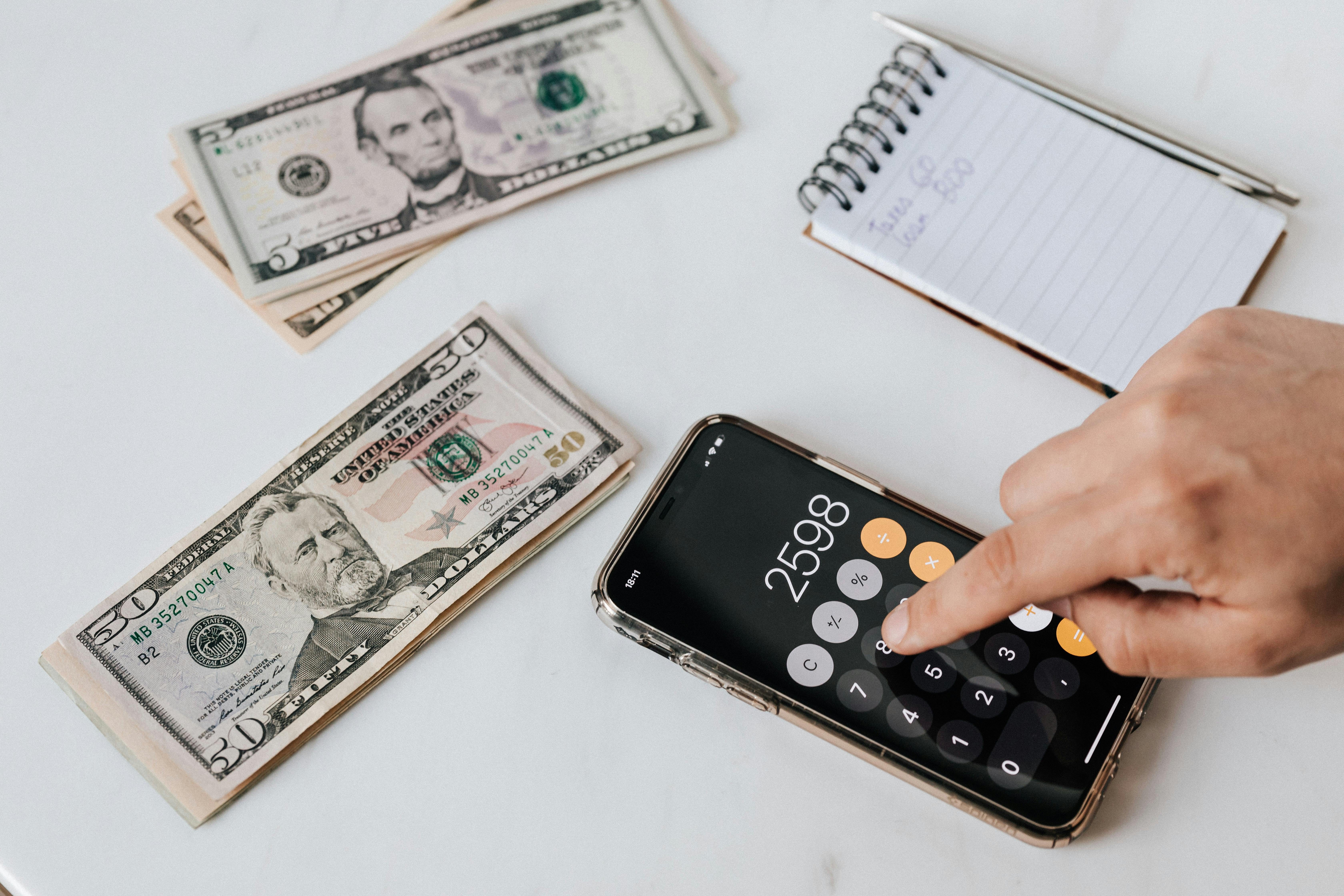
Image description: Overhead photo of a notebook or paper with hand-drawn numbers and calculations, a simple bar chart, and a smartphone displaying a fitness or health app with sleep and step data, showing the process of translating health metrics into financial estimates.
Supports sentence/keyword: “Let’s put rough numbers to a generic ‘knowledge worker’… Even if the numbers are off by 50%, you’re still looking at roughly $3,000/year.”
SEO alt text: “Notebook with financial calculations beside smartphone showing fitness data to visualize the annual value of health optimization.”

Comments
Post a Comment