Stop Letting Your Savings Rot: How To Use Today’s High-Yield Accounts & Cash Tools To Actually Grow Your Money
Most people still keep thousands of dollars in near-zero interest bank accounts, even though high-yield savings accounts (HYSAs), cash management accounts, and modern money apps are quietly paying 4%+ APY right now in the US, UK, Canada, and Australia. That’s the difference between your cash slowly shrinking from inflation and actually earning you hundreds of dollars per year while you sleep.
In this in-depth guide, I’ll show you how to build a simple, automated “cash stack” that takes advantage of today’s higher interest environment, without chasing risky investments or getting lost in fintech jargon.
Why This Matters Right Now (Updated With the Latest)
As of early December 2025, central banks across the US, UK, Canada, and Australia are still holding interest rates well above the ultra-low levels we got used to in the 2010s. Even with some cuts expected over the next year, the “new normal” for cash yields remains much higher than it was just a few years ago:
- US online HYSAs: many are in the 3.8–4.6% APY range.
- UK easy-access savings: top “flexible saver” accounts are around 4–4.5% AER (variable).
- Canada high-interest savings: some are offering about 3.5–4.25% on promotional or ongoing rates.
- Australia online savings: a number of “bonus saver” accounts still advertise up to about 4–5% p.a. for customers who meet conditions.
Meanwhile, many big “legacy” banks are still paying 0.01–0.25% on standard savings and 0% on everyday checking/current accounts. If your money is sitting there, you’re giving the bank free profit.
A Quick Story: How I Found $780 Hidden in Plain Sight
A couple of months ago, a reader from Texas, let’s call her Emily, emailed me. She had about $26,000 across a checking account and a basic savings account at a big-name bank—earning a grand total of 0.03% APY.
She wasn’t in debt. She wasn’t reckless. She just… never updated her banking setup. “I know I should do something smarter,” she wrote, “but I’m scared of making a mistake or locking my money up.”
We walked through a simple restructuring:
- $3,000 stayed in her checking as a cushion for bills and day-to-day.
- $15,000 moved to a no-fee US high-yield online savings account paying around 4.3% APY.
- $8,000 moved to a cash management account linked to her brokerage, also paying roughly 4% APY.
We didn’t touch her retirement accounts, we didn’t buy a single stock, and we didn’t sacrifice access to her emergency fund.
Result? At current rates, the same pile of cash now earns her about $780 per year instead of roughly $8. That’s an extra $64 per month for doing maybe 45 minutes of setup and a couple of online transfers.
Deep Dive: How High-Yield Savings & Modern Cash Tools Really Work
Let’s break down exactly what you’re choosing between when you decide where your “safe money” should live.
1. Checking / Current Accounts
These are your everyday accounts:
- Used for salary deposits, bill payments, debit card purchases.
- Typically pay 0–0.25% interest at major banks.
- High liquidity: money in, money out instantly.
Guideline: You want just enough here to cover your bills + 1–2 weeks of spending, plus a small buffer. Everything else should usually be somewhere more productive.
2. High-Yield Savings Accounts (HYSAs)
These are online or app-based savings accounts that pay much higher interest than traditional banks by keeping overhead low.
- Typical current rates: 3.5–4.5%+, variable.
- Unlimited or near-unlimited transfers (policies vary by country).
- FDIC/FSCS/CDIC/Financial Claims Scheme protection when offered by regulated banks and credit unions.
- No long-term lockups like CDs or term deposits.
In practice, HYSAs are ideal for:
- Emergency funds.
- Short- to medium-term goals (travel, home down payment, car, wedding).
- Anything you need within 0–5 years that you want very low risk for.
3. Cash Management Accounts (CMAs) & Fintech “Cash” Products
Cash management accounts are offered by brokerages and some fintechs. Your money may be:
- Swept into partner bank deposits, or
- Invested in ultra-short-term cash vehicles like treasury funds or money market funds.
Features often include:
- High yields comparable to good HYSAs.
- Integration with investing accounts.
- Debit card and bill-pay capabilities.
But details matter: some are protected by deposit insurance; some rely on money market funds that can, in rare cases, fluctuate slightly.
4. Short-Term Government Bills & Money Market Funds
For larger cash balances or people comfortable with a touch more complexity:
- US: Treasury bills via TreasuryDirect or brokerage, or government money market funds.
- UK: Premium Bonds, short-term gilt funds (with some risk).
- Canada: High-interest savings ETFs, short-term government bond ETFs.
- Australia: Cash ETFs, short-dated bond ETFs.
These can yield similarly to, or slightly above, top savings rates, but they are investments, not bank deposits, so you take on some extra nuances and potential small price movements.
The Power of Moving Your Cash: Simple Numbers
Here’s what a difference interest rates can make over just one year on $10,000 (or £ / C$ / A$ equivalent) with no additional deposits:
| Account Type | Interest Rate | Value After 1 Year | Earnings |
|---|---|---|---|
| Big-bank basic savings | 0.03% | $10,003 | $3 |
| Decent credit union savings | 0.50% | $10,050 | $50 |
| Online HYSA | 4.25% | $10,425 | $425 |
| Top HYSA / CMA promo | 4.75% | $10,475 | $475 |
Over 5 years, that gap widens dramatically—at 0.03%, you’d earn barely a cup of coffee; at ~4.5%, you’re talking about enough interest to pay a month’s rent in many cities.
Step-by-Step: Build Your “3-Account Cash Stack” in a Weekend
Here’s a concrete framework you can copy and adapt whether you’re in the US, UK, Canada, or Australia.
Step 1: Map Your Current Cash (30 Minutes)
- Open a blank note or spreadsheet.
- List every bank / app / brokerage where you have cash.
- Beside each, write:
- Current balance.
- Published interest rate (APY/AER/p.a.).
- Any monthly fees or conditions.
- Group by purpose:
- Everyday spending.
- Emergency fund.
- Short-term goals (0–5 years).
This single exercise often reveals thousands sitting in low-yield accounts “just because.”
Step 2: Decide Your Emergency Fund Size (20 Minutes)
General rule of thumb:
- Stable job, two incomes, low dependents: 3 months of essential expenses.
- Single income, variable income, or dependents: 6 months or more.
Multiply your essential monthly costs (housing, utilities, food, insurance, minimum debt payments) by your target months. That’s your emergency fund target to keep in cash-equivalents (ideally a HYSA).
Step 3: Choose Your High-Yield Savings Account
Use a comparison site specific to your country and filter for:
- No monthly maintenance fees.
- Strong rating and regulated protection (FDIC, FSCS, CDIC, etc.).
- Rate in the top tier of current offers, not necessarily the absolute #1 teaser rate.
- Easy transfers to and from your current bank.
Once you shortlist 2–3 options, dig into the fine print:
- Is the rate a temporary promo or ongoing?
- Is there a minimum balance?
- Are there hoops to jump through (direct deposit, number of card transactions, etc.)?
Often the best long-term choice is a solid, reputable institution with a rate in the top 10–20%, not a tiny outfit dangling a one-time teaser.
Step 4: Set Up the 3-Account System
The structure:
- Account 1 – Everyday Checking/Current
- Holds 1–2 weeks of spending + bill money + a small buffer.
- Primary hub for direct deposits and bill payments.
- Account 2 – High-Yield Emergency/Short-Term Savings
- Holds your full emergency fund.
- Holds cash for 0–3 year goals.
- Linked to Account 1 for quick transfers.
- Account 3 – Cash Management / Brokerage Cash (Optional)
- Holds extra cash beyond your emergency fund.
- Great if you regularly invest and want to stage money.
Then:
- Set automatic transfers from Account 1 to Account 2 the day after payday.
- If using Account 3, set a monthly sweep from Account 2 once balances exceed your targets.
Step 5: Automate & Review Quarterly
Once the system is in place:
- Automate contributions towards each goal.
- Set a calendar reminder every 3–4 months to:
- Check that your savings rate is still competitive.
- Ensure your emergency fund target is still right (income or expenses may have changed).
You should not be “rate chasing” every week. Think of it like renegotiating your phone bill—every so often, not constantly.
Top 5 Features To Look For in a High-Yield Savings or Cash Account (2025 Edition)
- 1. Safety & Regulation
- Insured up to the local limit (US: FDIC/NCUA; UK: FSCS; Canada: CDIC; Australia: FCS).
- Clear explanation of where your money actually sits if using a fintech app.
- 2. Net Yield (After Fees & Hoops)
- Ignore the headline % for a moment and ask:
- Will I realistically meet the conditions?
- Are there fees that could eat into earnings?
- Ignore the headline % for a moment and ask:
- 3. Transfer Speed & Ease
- Same-day or 1–2 business day transfers to your main bank.
- Good mobile app, easy setup.
- 4. Customer Support & Track Record
- Responsive chat/phone support.
- Reasonable reviews over at least a few years, not just a brand-new promo.
- 5. Integration With Your Financial Life
- Plays nicely with your budgeting app.
- Optional: comes from the same ecosystem as your investing platform.
Product Reviews & Comparisons: How To Judge Real Offers (Conceptual Examples)
Because rates and specific product names change weekly, I’m not going to hype one specific provider here—that would be out of date quickly. Instead, here’s how I’d compare two typical offers in each region, using generic names and current market-style numbers.
US Example: “BigBank Saver” vs. “OnlineMax HYSA”
BigBank Saver
- APY: 0.05%.
- No minimums, but $10 monthly fee if balance < $1,500.
- Great branch access, mediocre app.
OnlineMax HYSA
- APY: 4.30%, variable.
- No fees, $0 minimum.
- App-only, funds move via ACH in 1–3 business days.
For 99% of savers, OnlineMax crushes BigBank Saver. The ~4.25% yield difference matters more than branch access you rarely use.
UK Example: “HighStreet Flexible Saver” vs. “AppFirst Easy Access”
- HighStreet Flexible Saver: 0.65% AER, easy access, branch network.
- AppFirst Easy Access: 4.10% AER variable, app-only, FSCS protected via partner bank.
Again, AppFirst is the clear long-term winner if you’re comfortable with an app interface.
Canada & Australia: Watch the Conditions
In Canada and Australia especially, a lot of the top advertised savings rates include:
- Introductory bonuses for a limited number of months, or
- Conditions such as minimum new deposits each month, or no withdrawals.
When you see “5%+” in bold, scroll down and read exactly how to qualify and for how long that rate applies. Sometimes a stable 3.75–4% with fewer rules is the smarter choice than a 5.25% promo that vanishes in 90 days.
Toolbox: Best Resources & Apps To Supercharge Your Cash
These are categories of tools you can plug into your system depending on where you live. Always verify current rates and terms.
1. Rate Comparison Sites
- US: bank and credit union comparison sites that list HYSAs and money market accounts.
- UK: comparison engines for easy-access savings and regular savers.
- Canada: high-interest savings and promotional offers comparisons.
- Australia: savings and transaction account comparison portals.
Use these monthly or quarterly to confirm your bank is still competitive.
2. Budgeting & Automation Apps
- Envelope-style budgeting apps to set targets for each savings goal.
- Bank-connected apps that let you set rules like “round up every purchase and send to savings.”
The key is to make saving default and invisible—money moves to savings before you see it in your spendable balance.
3. Brokerage & Cash Management Platforms
- Discount brokerages with integrated HYSAs or cash sweeps into insured partner banks.
- Platforms that offer government money market funds you can park cash in while waiting to invest.
This is especially powerful if you’re investing regularly in ETFs or index funds—you keep cash productive right up until it’s deployed.
Visualizing Your Cash Flow
Sometimes a simple diagram helps. Picture this basic flow:
Salary → Checking (bills + weekly spending) → Automatic transfer → HYSA (emergency + goals) → Optional sweep → Brokerage cash / investments.
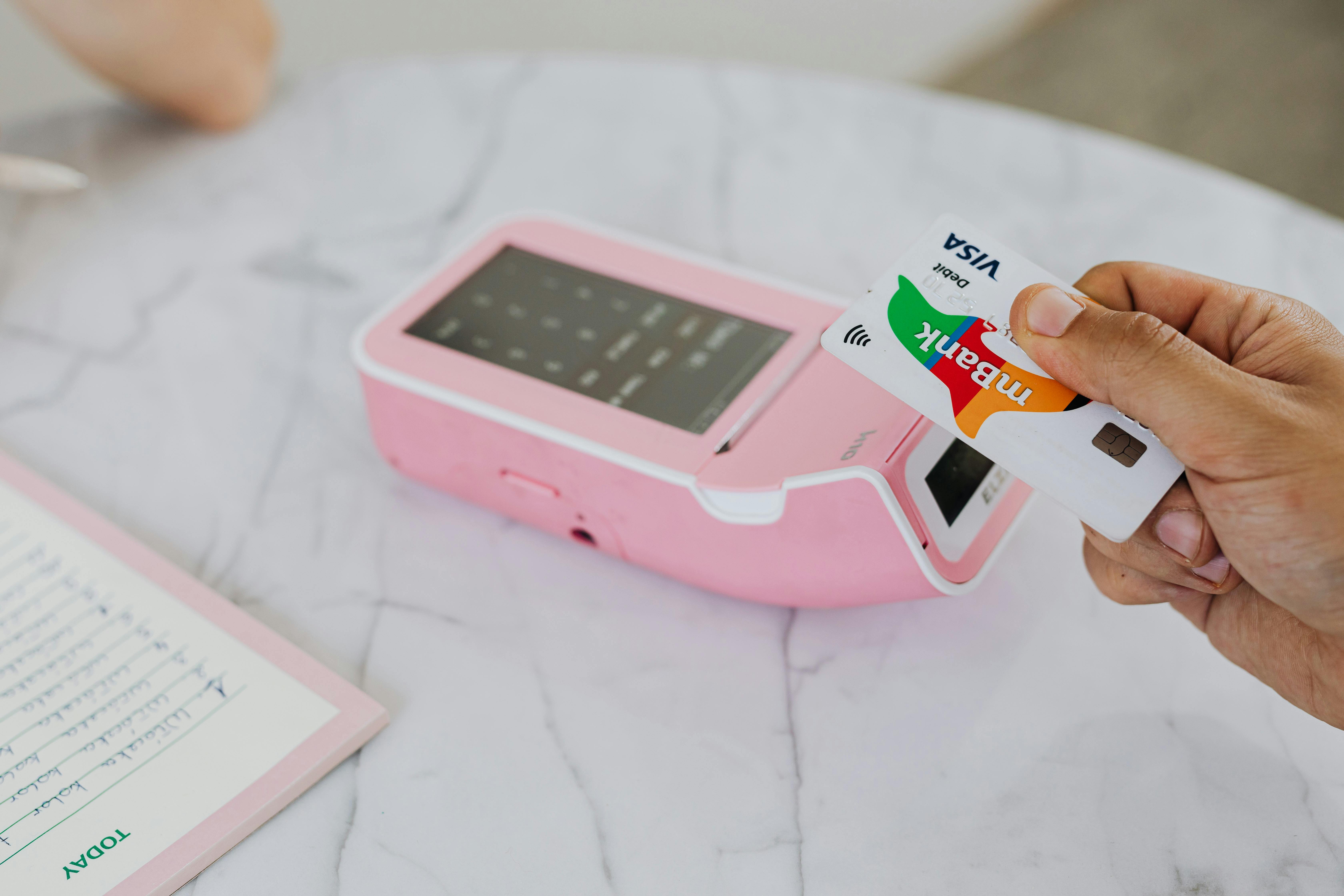
Here are a couple of visual examples to make it more concrete:

FAQ: Common Questions About High-Yield Savings & Cash Management
Q1: Are high-yield savings accounts safe?
When they’re offered by regulated banks or credit unions and covered by deposit insurance in your country, yes, they’re generally as safe as traditional savings accounts. The interest rate can change, but your insured principal is protected up to the local limit. Always confirm:
- The name of the actual bank holding your funds.
- The type of protection (FDIC, FSCS, CDIC, etc.).
Q2: Can I lose money in a HYSA?
In a standard insured savings account, your balance shouldn’t go down due to market moves. You could lose purchasing power if inflation is higher than your interest rate, but the dollar/£/C$/A$ number won’t randomly shrink unless you withdraw or incur fees. That’s different from a money market fund, which is an investment and can fluctuate slightly.
Q3: Should I invest instead of using high-yield savings?
It’s not either/or—it’s both, at different time horizons:
- Money for the next 0–5 years that you cannot afford to lose belongs in cash and near-cash (HYSA, government bills, etc.).
- Money for 5+ years can usually be invested in diversified stock/bond index funds.
The HYSA is your safety net and launchpad; investing is your long-term growth engine.
Q4: What about inflation—doesn’t it still eat my savings?
Inflation does erode the value of cash over time, but earning 4% in a HYSA is far better than 0% in checking when inflation is, say, 3%. You might be roughly keeping pace instead of falling behind. Your emergency fund must be safe first; achieving perfect inflation protection with that short-term money is less important than stability and access.
Q5: Are teaser rates and promos worth it?
Sometimes. A 5.5% promo for 3 months can be attractive, but you need to:
- Know the rate after the promo ends.
- Decide whether you’ll actually move your money again later.
If you’re organized and comfortable moving accounts, promos can boost your returns. If not, pick a solid account with a consistently competitive rate and stick with it.
Q6: How much should I keep in checking vs. savings?
A practical starting point:
- Checking: upcoming bills + 1–2 weeks of typical card spending + a small buffer.
- HYSA: full emergency fund + any short-term savings goals.
Many people find that’s roughly 1–2 months of expenses in checking, with everything else in savings.
Q7: What if rates drop next year?
They probably will come down as central banks cut, but:
- High-yield accounts should still pay more than big-bank basic savings.
- Your relative advantage remains: you’re still earning more than if you did nothing.
You cannot control the rate environment; you can control whether you’re on the good side of it.
Bringing It All Together: Your Next 60 Minutes
You don’t need a PhD in finance to stop leaving free money on the table. You just need to take a few focused steps:
- List your current cash accounts, balances, and interest rates.
- Decide your emergency fund target (3–6 months of essentials).
- Open a reputable high-yield savings account in your country.
- Move excess cash from low-yield accounts into your HYSA.
- Automate transfers after every payday.
- Set a quarterly reminder to review your rate and balances.
The goal isn’t to become a professional rate-chaser; it’s to set up a simple, resilient cash system that quietly earns you hundreds more per year without extra effort.
If you take just one action today, make it this: log into your current bank, look up your savings rate, and compare it with a top-tier high-yield account available where you live. If the gap is more than 2–3 percentage points, your money is begging you to move it.
Comments
Post a Comment